Discover the science behind physical recovery. Learn how muscles, joints & tissues heal after injury or exercise. Get expert physiotherapy & recovery support in Indore at Unisoul Health. Book today!
📌 TL;DR:
Physical recovery is the biological process where your body repairs muscle fibers, rebuilds tissues, and restores energy after exercise or injury. At Unisoul Health, our physiotherapy experts in Indore use science-backed methods to accelerate recovery. Book a free consultation at Unisoul Health or WhatsApp 8085509065.
What is Physical Recovery? Why Does It Matter for Your Body?
Physical recovery is the fascinating biological process where your body repairs damaged tissues, replenishes energy stores, and adapts to become stronger after physical stress. Whether you have just finished an intense gym session in Vijay Nagar, suffered a sports injury playing cricket at Pipliyapala Regional Park, or are recovering from surgery — understanding how recovery works can transform your healing journey.
At Unisoul Health Private Limited — founded by Vivek Kumar & Manisha Choudhery in November 2023 — we believe that Prevention is Better Than Cure. But when prevention is not enough, science-backed recovery is your best ally. Our certified physiotherapists in Indore combine modern rehabilitation science with personalized care to help you bounce back faster and stronger.
Hum samajhte hain ki recovery sirf rest nahi hai — it is a complex, multi-stage process involving your muscles, nervous system, immune response, and even your sleep patterns. Aaj hum is science ko samajhne ki koshish karenge, taaki aap apni body ko better support kar sakein.
Why Do People in Indore Struggle with Physical Recovery?
Despite Indore growing fitness culture — with gyms popping up in Vijay Nagar, yoga studios in Palasia, and sports complexes across the city — most people ignore the recovery side of the equation. Here are three real stories from our physiotherapy center in Mahalaxmi Nagar:
Meet Arjun — 26, Gym Enthusiast, Vijay Nagar
Arjun hits the gym 6 days a week at a popular fitness center near Vijay Nagar. He believes "no pain, no gain" and pushes through soreness every day. At 3 AM, he wakes up with a sharp shoulder pain and thinks: "Ye toh normal hai, gym mein dard hona chahiye. Par aaj kal right hand uthane mein problem ho rahi hai. Kya main overtraining kar raha hun? Kya meri body recovery nahi kar pa rahi?" Arjun story is common — he does not realize that muscles grow during recovery, not during workouts. Without proper rest and physiotherapy support, he is heading toward a chronic injury.
Meet Mrs. Desai — 52, Homemaker, Palasia
Mrs. Desai slipped in her bathroom six months ago and sprained her ankle. She rested for two weeks, then resumed her normal activities. But the ankle never felt the same — occasional swelling, stiffness in the morning, and pain after walking for 30 minutes. At 3 AM, she worries: "Doctor ne kaha tha rest karne ko, maine kar liya. Phir bhi ye ankle theek kyun nahi ho raha? Kya mujhe lifelong dard sehna padega? Kya main apne grandchildren ke saath khel nahi paungi?" Mrs. Desai needs structured rehabilitation, not just rest. Her incomplete recovery is a textbook case of why professional physiotherapy matters.
Meet Vikram — 35, IT Professional, Bhawarkuan
Vikram sits for 10+ hours daily at his desk near Bhawarkuan. He developed chronic lower back pain two years ago. He tried painkillers, a massage at a local spa, and even some YouTube exercises — but nothing lasted. At 3 AM, he stares at the ceiling wondering: "Meri back pain kabhi theek hogi ya nahi? Main toh 35 saal ka hun, aur 60 saal ke jaisa feel kar raha hun. Kya meri job meri health kharab kar rahi hai? Koi permanent solution hai ya nahi?" Vikram sedentary lifestyle has created muscular imbalances that require targeted physiotherapy intervention, not temporary fixes.
These stories share a common thread: recovery is misunderstood. Rest alone is not enough. Painkillers mask symptoms. Random exercises from the internet can do more harm than good. What you need is a science-based recovery plan tailored to your body.
How Does Unisoul Health Support Physical Recovery in Indore?
At Unisoul Health, we do not just treat symptoms — we understand the science of recovery and apply it to your unique situation. Our physiotherapy and rehabilitation services in Indore are designed to help you recover faster, prevent re-injury, and build resilience. Here is what makes our approach different:
✅ Unisoul Recovery Checklist — What You Get:
- Comprehensive Physical Assessment — Posture analysis, movement screening, muscle strength testing, joint mobility evaluation
- Personalized Recovery Protocol — Customized based on your injury type, fitness level, age, and goals
- Manual Therapy — Joint mobilization, soft tissue massage, myofascial release by certified physiotherapists
- Electrotherapy — Ultrasound, TENS, EMS, and interferential therapy for pain relief and tissue healing
- Therapeutic Exercise Programs — Progressive strengthening, flexibility, and balance training
- Sports-Specific Rehabilitation — For athletes returning to cricket, football, badminton, or gym training
- Post-Surgical Recovery — Knee replacement, shoulder surgery, spinal surgery rehabilitation
- Home Exercise Programs — Video-guided exercises you can do between sessions
- Weekly Progress Tracking — Measurable improvements in pain, mobility, and strength
Our physiotherapists are trained in the latest evidence-based techniques and understand the unique physical demands of life in Indore — from the sedentary IT professional to the active sportsperson. Whether you need help with a recent injury or chronic pain management, we create a recovery roadmap that works for your body.
The Science of Recovery: How Your Body Actually Heals
Understanding the biology of recovery helps you make better decisions about your health. Here is what happens inside your body after exercise or injury:
Step 1: Inflammation Phase (0-72 Hours)
When you exercise intensely or suffer an injury, your muscle fibers develop microscopic tears. Your immune system responds by sending white blood cells, growth factors, and nutrients to the damaged area. This causes swelling, redness, and warmth — the classic signs of inflammation. This phase is necessary and healthy, not something to suppress entirely. At Unisoul Health, we use controlled cold therapy and gentle mobilization during this phase to manage inflammation without stopping the healing process.
Step 2: Repair Phase (72 Hours - 6 Weeks)
Satellite cells — specialized stem cells in your muscles — activate and fuse with damaged muscle fibers to repair them. Collagen is laid down to rebuild connective tissue. This is when protein intake becomes critical — your body needs 1.6-2.2g of protein per kg of body weight daily to support tissue repair. Our nutritionists at Unisoul Health create recovery-focused meal plans that include local protein sources like dal, paneer, sprouts, and eggs — perfect for Indore food culture.
Step 3: Remodeling Phase (6 Weeks - 6 Months)
The newly formed tissue is reorganized and strengthened along lines of mechanical stress. This is why progressive exercise is crucial — it tells your body how to align the new fibers for optimal function. Without proper loading, scar tissue forms randomly, leading to stiffness and weakness. Our physiotherapists guide you through carefully graded exercises that stimulate remodeling without re-injury. Aaj hi apni recovery journey shuru karein!
Step 4: Maturation Phase (6+ Months)
The repaired tissue continues to gain strength and flexibility for months or even years. During this phase, consistency in your exercise and recovery routine determines long-term outcomes. Many people stop rehabilitation too early, leading to recurring problems. At Unisoul Health, we provide ongoing maintenance programs to ensure your recovery is complete and lasting.
Step 5: Sleep — The Secret Recovery Weapon
Here is a fact most people ignore: 95% of your growth hormone is released during deep sleep, and this hormone is essential for tissue repair. A study published in the Indian Journal of Physiology and Pharmacology found that adults sleeping less than 6 hours had 30% slower muscle recovery compared to those sleeping 8+ hours. If you are waking up at 3 AM with worry (like Arjun, Mrs. Desai, or Vikram), your recovery is being compromised. Our holistic approach at Unisoul includes sleep optimization as part of your recovery plan.
Recovery Methods Compared: What Actually Works?
With so many recovery options available — from ice baths to foam rollers to massage guns — it is hard to know what is worth your time and money. Let us look at the evidence:
Table 1: Recovery Methods — Evidence-Based Rankings
| Recovery Method | Scientific Evidence | Best For | Unisoul Availability |
|---|---|---|---|
| Sleep (7-9 hrs) | ⭐⭐⭐⭐⭐ Strongest evidence | All recovery types | Guidance provided |
| Physiotherapy | ⭐⭐⭐⭐⭐ Strong evidence | Injury, surgery, chronic pain | ✅ Available at center |
| Active Recovery | ⭐⭐⭐⭐ Good evidence | Post-exercise soreness | ✅ Exercise programs |
| Protein Nutrition | ⭐⭐⭐⭐ Good evidence | Muscle repair | ✅ Nutrition plans |
| Cold Therapy (Ice) | ⭐⭐⭐ Moderate evidence | Acute injuries, inflammation | ✅ Available |
| Heat Therapy | ⭐⭐⭐ Moderate evidence | Chronic stiffness, muscle relaxation | ✅ Available |
| Massage Guns | ⭐⭐ Limited evidence | Temporary relief | Not primary treatment |
| Foam Rolling | ⭐⭐ Limited evidence | Flexibility, short-term relief | Guidance provided |
Table 2: Recovery Timeline — What to Expect
| Injury / Condition | Natural Recovery | With Physiotherapy | Return to Activity |
|---|---|---|---|
| Muscle Strain (Mild) | 2-4 weeks | 1-2 weeks | Light: 1 week | Full: 3 weeks |
| Ankle Sprain (Grade 2) | 6-8 weeks | 3-5 weeks | Light: 2 weeks | Full: 6 weeks |
| Lower Back Pain (Chronic) | Months to years | 4-8 weeks significant improvement | Gradual: 2-4 weeks |
| Knee Replacement | 6-12 months | 3-6 months | Walking: 2 weeks | Sports: 6 months |
| Post-Exercise Soreness | 48-72 hours | 24-48 hours | Next day (light activity) |
| Shoulder Injury | 3-6 months | 6-12 weeks | Light: 3 weeks | Full: 10 weeks |
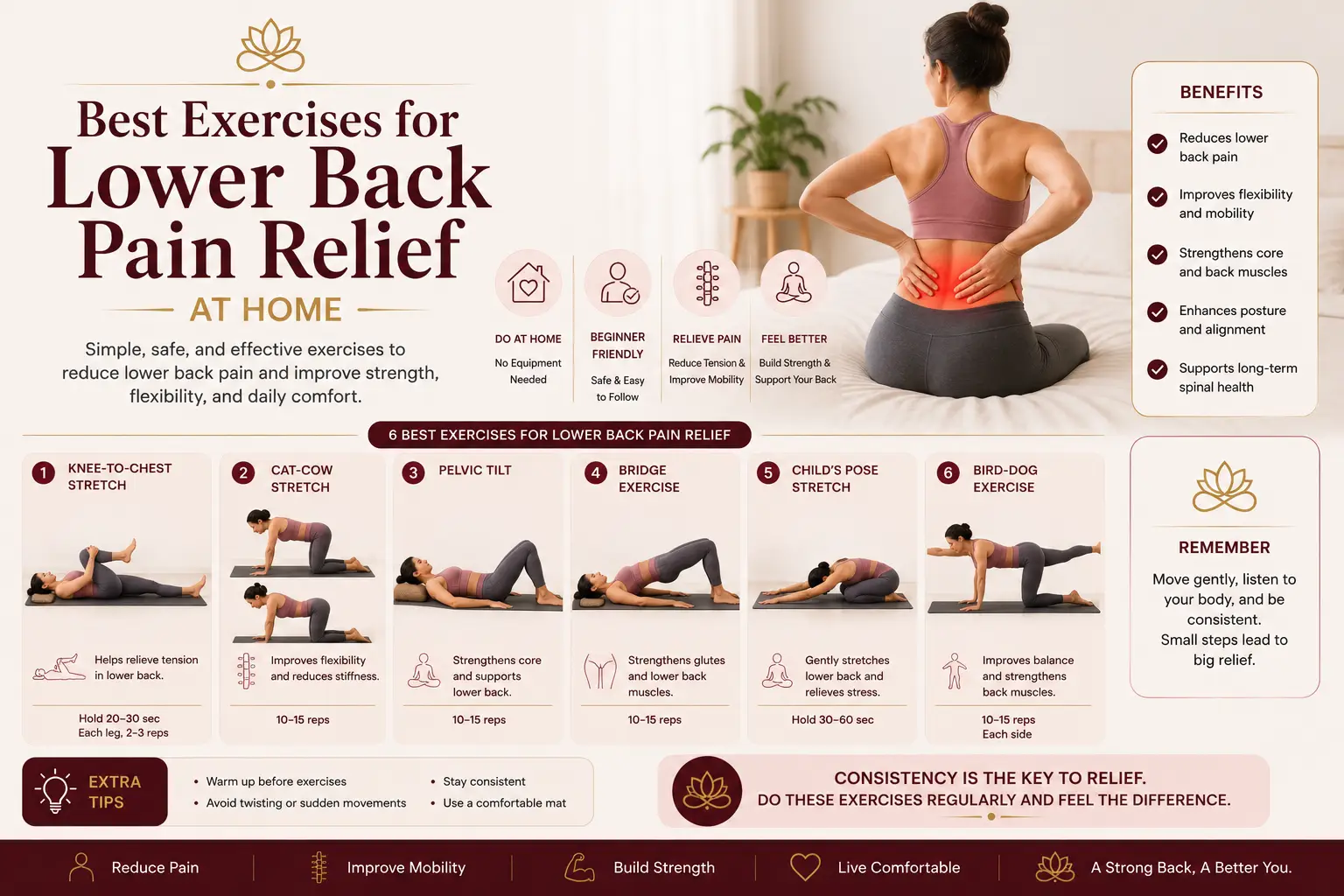
Read our related guide on Lower Back Pain Exercises at Home →
Physical Recovery in Indore: Local Resources & Tips
Indore offers excellent resources for physical recovery — from green spaces for active recovery to local markets for nutritious food. Here is your neighborhood guide:
Best Places for Active Recovery in Indore
- Pipliyapala Regional Park — Near Mahalaxmi Nagar, perfect for gentle walking, light jogging, and stretching. The serene lake environment reduces cortisol (stress hormone) which aids recovery.
- Khajrana Ganesh Temple Grounds — Open spaces for yoga and meditation, excellent for mental recovery alongside physical healing.
- Vijay Nagar Walking Tracks — Many residential complexes have walking tracks ideal for post-injury gradual mobility.
- Palasia Swimming Pools — Water therapy is excellent for joint recovery. Several pools offer aqua therapy sessions.
- Bhawarkuan Sports Complex — For advanced rehabilitation and sports-specific training under supervision.
Recovery-Friendly Foods Available in Indore Markets
Your diet plays a massive role in recovery. Here are locally available foods that accelerate healing:
- Turmeric (Haldi) — Available at 21 No. Market and Vijay Nagar Sabzi Mandi. Contains curcumin, a powerful anti-inflammatory compound. Add to warm milk before bed.
- Ginger — Found at every local market. Natural pain reliever and anti-inflammatory. Perfect for post-workout recovery tea.
- Sprouts (Moong & Chana) — Available fresh at APMC Market. Rich in plant protein, vitamins, and enzymes that support tissue repair.
- Amla (Indian Gooseberry) — Highest vitamin C content, essential for collagen synthesis. Available at Sarafa Bazaar area vendors.
- Paneer & Milk — Excellent protein and calcium sources for muscle and bone recovery. Available fresh at Palasia dairy shops.
- Dry Fruits (Almonds, Walnuts, Dates) — Available at 21 No. Market. Rich in healthy fats, magnesium, and antioxidants for recovery.
Neighborhood-Specific Recovery Tips
Vijay Nagar: With many IT professionals, desk-related postural issues are common. Take walking breaks every 45 minutes. Use the Vijay Nagar Sabzi Mandi for fresh anti-inflammatory foods. Consider our workplace ergonomics assessment at Unisoul Health.
Palasia: Home to many families with elderly members. Joint stiffness is common in older adults. Morning walks at Pipliyapala Regional Park and regular physiotherapy sessions can maintain mobility. Our geriatric rehabilitation programs are popular here.
Bhawarkuan: Student hub with active sports culture. Sports injuries like ankle sprains, hamstring pulls, and shoulder strains are frequent. Our sports physiotherapy program includes taping, bracing, and return-to-sport protocols.
Mahalaxmi Nagar: Proximity to our Unisoul Health center makes it convenient for regular physiotherapy sessions. The Sunshine Corner area has several walking-friendly streets for active recovery.
Real Recovery Stories: How Our Clients Bounced Back in Indore
"Maine cricket khelte hue ACL tear kiya tha. Doctor ne surgery suggest ki, aur 6 mahine rest bola. Unisoul Health ki physiotherapy ne meri recovery itni fast ki ki main 4 mahine mein wapas ground pe tha. Unke exercises aur manual therapy ne sab difference banaya."
— Rohit Verma, 24, Cricketer, Bhawarkuan, Indore
"After my knee replacement surgery, I could not walk without support. The physiotherapists at Unisoul created a step-by-step program that started with bed exercises and progressed to walking independently. Within 3 months, I was climbing stairs at my home in Palasia without pain."
— Lakshmi Devi, 62, Retired Banker, Palasia, Indore
"As a software developer in Vijay Nagar, I had chronic neck and shoulder pain from 8 years of desk work. Painkillers were my only solution. Unisoul posture correction program and ergonomic advice changed everything. Now I work pain-free and even started gym again."
— Karan Malhotra, 31, Senior Developer, Vijay Nagar, Indore
Frequently Asked Questions About Physical Recovery & Physiotherapy in Indore
Q1: How long does muscle recovery take after exercise?
Muscle recovery typically takes 48-72 hours for micro-tear repair after intense exercise. Light activity can resume after 24 hours, but full strength recovery requires 2-3 days depending on intensity and individual fitness levels. Beginners may need 72+ hours, while trained athletes can recover in 24-48 hours. At Unisoul Health, we create personalized recovery schedules based on your training intensity and body response.
Q2: Can physiotherapy speed up injury recovery?
Yes, physiotherapy can accelerate recovery by 30-50% through targeted exercises, manual therapy, ultrasound, and electrical stimulation that promote blood flow, reduce inflammation, and restore range of motion. A study in the Journal of Orthopaedic & Sports Physical Therapy showed that patients receiving physiotherapy after ankle sprains returned to sport 2 weeks earlier than those who rested alone.
Q3: What is the best way to support physical recovery at home?
Prioritize 7-9 hours of quality sleep (95% of growth hormone is released during deep sleep), consume 1.6-2.2g protein per kg body weight daily, stay well-hydrated, practice active recovery like light walking or stretching, and use cold therapy for acute injuries or heat therapy for chronic stiffness. Our physiotherapists provide home exercise programs with video guidance for between-session support.
Q4: How much does physiotherapy cost in Indore?
At Unisoul Health, physiotherapy sessions start at ₹999 per session. We offer package deals for long-term rehabilitation (10-session packages at discounted rates). Your first consultation includes a comprehensive assessment and personalized treatment plan. Compared to hospital physiotherapy departments in Indore that charge ₹1,500-3,000 per session, our pricing is competitive while maintaining clinical excellence.
Q5: When should I see a physiotherapist vs. just resting at home?
See a physiotherapist if: pain persists beyond 1 week, you have limited range of motion, swelling does not reduce, you cannot bear weight, or the injury affects daily activities. Rest alone is often insufficient — it can lead to stiffness, muscle weakness, and delayed healing. Early physiotherapy intervention prevents complications and ensures proper tissue healing. Bas ek click se appointment book karein!
Q6: Is physiotherapy painful?
Physiotherapy should not be painful. You may experience mild discomfort during certain exercises or manual therapy techniques, but this is temporary and part of the healing process. Our physiotherapists at Unisoul Health use a pain-graded approach — we start gently and progress based on your tolerance. We constantly communicate with you to ensure comfort while achieving therapeutic goals.
Q7: Can physiotherapy help with chronic pain that I have had for years?
Absolutely. Chronic pain often results from movement patterns, muscle imbalances, or unresolved injuries that have been compensating for years. Our physiotherapists perform detailed assessments to identify the root cause of your chronic pain, not just treat symptoms. Many clients with 5+ years of back pain, knee pain, or shoulder pain find significant relief within 4-8 weeks of structured physiotherapy.
Q8: Do you offer home physiotherapy services in Indore?
Yes! We offer home physiotherapy visits for clients who cannot travel to our Mahalaxmi Nagar center — especially elderly patients, post-surgical clients, and those with severe mobility limitations. Home visits are available across Vijay Nagar, Palasia, Bhawarkuan, Bengali Square, and nearby areas. Additional charges apply for home visits based on distance.
Q9: What should I wear to a physiotherapy session?
Wear comfortable, loose-fitting clothing that allows easy movement. For lower body issues, bring shorts. For upper body issues, a sleeveless or loose t-shirt works best. Avoid tight jeans, heavy jewelry, or restrictive clothing. We have changing facilities at our center if needed. Bring any previous medical reports, X-rays, or MRI scans related to your condition.
Q10: How is Unisoul Health different from other physiotherapy clinics in Indore?
Unisoul Health combines evidence-based physiotherapy with holistic wellness support. We do not just treat your injury — we address nutrition, sleep, stress, and lifestyle factors that affect recovery. Our team includes certified physiotherapists, nutritionists, and wellness coaches working together. Plus, we are a registered company (CIN: U86900MP2023PTC068627) with accountability, transparent pricing, and measurable outcomes. We track your progress with objective metrics, not just subjective feelings.
Conclusion: Invest in Your Body Recovery
Your body has an incredible ability to heal — but it needs the right support. Whether you are recovering from a sports injury, managing chronic pain, or simply want to optimize your post-workout recovery, understanding the science of physical recovery empowers you to make better decisions.
At Unisoul Health Private Limited, we combine modern physiotherapy science with personalized care to help you recover faster, prevent re-injury, and build a stronger, more resilient body. Our certified physiotherapists in Indore are ready to guide you through every phase of your recovery journey.
Aaj hi apni recovery journey shuru karein! Remember: Prevention is Better Than Cure, but when recovery is needed, science-backed physiotherapy is your best investment.
🎉 SPECIAL OFFER
Get 20% OFF Your First Physiotherapy Session
Use Code: RECOVER20
Valid till 31st August 2026 | New clients only
⚠️ Medical Disclaimer
The information provided in this blog is for general wellness and educational purposes only. It is not intended to diagnose, treat, cure, or prevent any disease. Unisoul Health Private Limited (CIN: U86900MP2023PTC068627) promotes preventive wellness and lifestyle support. Always consult a qualified medical professional before beginning any exercise or rehabilitation program, especially if you have existing health conditions, recent surgery, or acute injuries. Our physiotherapy services are designed to complement, not replace, medical care. Founded by Vivek Kumar & Manisha Choudhery. Prevention is Better Than Cure.
About Unisoul Health
Unisoul Health Private Limited is a wellness technology company founded by Vivek Kumar & Manisha Choudhery on November 18, 2023, in Indore, Madhya Pradesh. Registered under CIN: U86900MP2023PTC068627, we are committed to making preventive wellness accessible to every Indian. Our platform connects you with certified physiotherapists, nutritionists, yoga instructors, and wellness experts across Indore. Sehat ka Saathi, Unisoul.