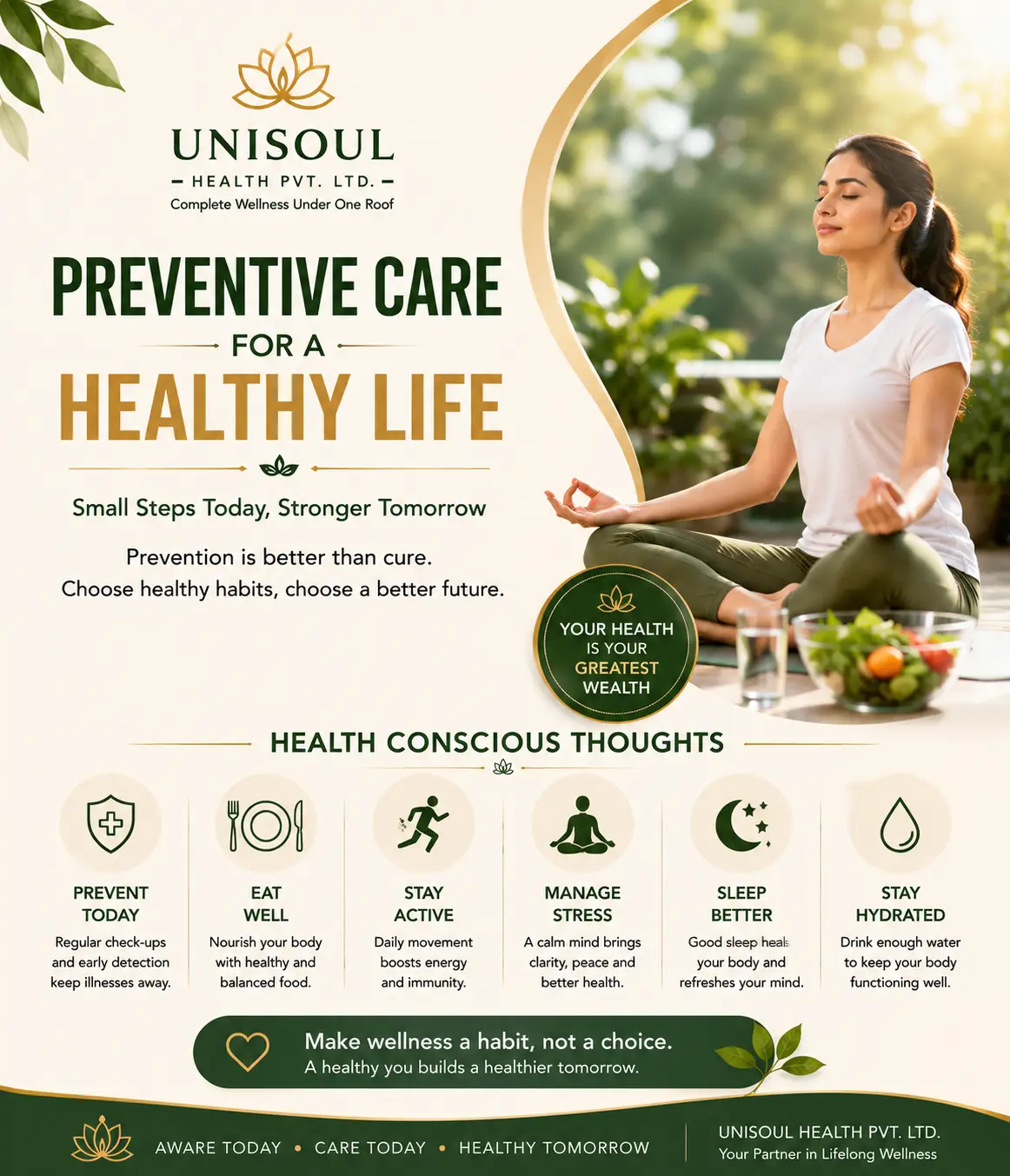
Building wellness habits doesn’t have to be complicated. This guide shares practical, realistic ways to create healthy routines that fit your lifestyle, stay consistent, and bring long-term physical and mental well-being without burnout or pressure.
How to Build Wellness Habits That Actually Stick
Most people try to overhaul their entire lifestyle overnight and wonder why they're back to old patterns within weeks. Building wellness habits that actually stick isn't about willpower or motivation spikes—it's about understanding how your brain forms lasting routines.
This guide is for busy adults who've tried multiple times to create healthy habits but keep falling off track. You'll learn why generic advice doesn't work and discover a personalized approach that fits your real life.
We'll cover the science behind habit formation that actually works, including how your brain creates automatic behaviors and why starting ridiculously small beats grand gestures every time. You'll also discover how to create a personal habit stack system that links new wellness practices to existing routines, plus simple tracking methods that keep you motivated without turning into a perfectionist nightmare.
Understanding Why Most Wellness Habits Fail

Identifying Unrealistic Expectations That Sabotage Success
Most people crash and burn with wellness habits because they set themselves up for failure from day one. You decide you want to get fit, so you plan to work out for an hour every single day. You want better nutrition, so you throw out everything in your pantry and commit to cooking elaborate, Instagram-worthy meals three times daily. Sound familiar?
These grand transformations look inspiring on social media, but they're wellness quicksand. Your brain sees this massive change as a threat to your routine and fights back hard. When you inevitably miss a day or grab fast food because life happened, that inner critic starts screaming about how you're a failure.
The real problem isn't your willpower or motivation – it's that you're trying to overhaul your entire life overnight. Research shows that people who aim for dramatic lifestyle changes have a 92% failure rate within three months. Your brain can only handle so much change at once before it rebels.
Think about it this way: if someone asked you to suddenly speak fluent French or play concert piano, you'd laugh at the impossibility. Yet we expect our bodies and minds to adapt to completely new wellness routines instantly. Small, consistent changes work because they fly under your brain's radar, building new neural pathways gradually without triggering resistance.
Recognizing the All-or-Nothing Mentality Trap
This sneaky mindset destroyer shows up everywhere in wellness journeys. You eat perfectly for five days, then have a slice of birthday cake and decide you've "blown it" for the week. You miss one workout, and suddenly you're "off track" and might as well skip the rest of the week too.
The all-or-nothing trap makes you treat slip-ups like complete failures instead of normal human moments. Life isn't perfect, and neither are you. That friend who seems to nail their wellness routine? They mess up too – they just don't let one imperfect choice derail their entire week.
Here's what this mentality really costs you:
Lost momentum: You stop completely instead of getting back on track immediately
Shame spirals: You beat yourself up, which actually makes it harder to make good choices
Binary thinking: Everything becomes either "good" or "bad" with no middle ground
Quitting cycles: You restart from scratch repeatedly instead of building on progress
Successful habit builders think in percentages, not perfection. They aim for 80% consistency because they know that's sustainable and still creates massive results over time. When they have an off day, they shrug it off and focus on making the next choice a good one.
Understanding How Willpower Alone Isn't Sustainable
Willpower is like a muscle that gets tired throughout the day. You wake up with a full tank, ready to tackle your green smoothie and morning yoga. By evening, after making dozens of decisions and dealing with stress, that same willpower is running on empty. This is why so many people nail their morning routines but struggle with evening habits.
Relying solely on willpower means you're fighting an uphill battle every single day. It's exhausting and unsustainable. Think about brushing your teeth – you don't need willpower for that because it's automatic. Your brain has created such a strong neural pathway that skipping it feels weird.
The most successful wellness habits work the same way. They become so ingrained in your routine that you do them without thinking. This happens through:
Environmental design: Making good choices easier and bad choices harder
Habit stacking: Attaching new habits to existing routines
Identity shifts: Seeing yourself as someone who does these things naturally
Systems over goals: Focusing on the process rather than the outcome
When you build habits that don't require constant willpower, you free up mental energy for other areas of your life. You stop having internal battles about whether to exercise or eat vegetables because these choices become as automatic as putting on your seatbelt.
The Science Behind Habit Formation That Works

How your brain creates automatic behaviors in 21 to 66 days
Your brain is wired for efficiency, constantly looking for ways to run on autopilot. When you repeat an action consistently, neural pathways strengthen like a path through grass that becomes more defined with each footstep. The famous "21 days to form a habit" myth actually oversimplifies the process – research from University College London shows habits take anywhere from 18 to 254 days to become automatic, with an average of 66 days.
During habit formation, your brain shifts activity from the prefrontal cortex (where conscious decisions happen) to the basal ganglia (your brain's autopilot center). This neurological handoff explains why brushing your teeth requires zero mental effort but learning to drive once demanded intense concentration. The key is repetition in consistent contexts – your brain links the behavior to specific triggers, making the response increasingly automatic.
Simple habits like drinking water after waking up form faster than complex ones like exercising for 30 minutes. The complexity, frequency, and individual differences all impact your timeline. Some people naturally form habits quicker due to genetics and past experiences with behavior change.
The power of cue-routine-reward loops in daily life
Every habit operates through a three-part loop that your brain learns to anticipate and crave. The cue triggers the behavior, the routine is the action itself, and the reward reinforces the entire cycle. Understanding this loop gives you the blueprint for building any wellness habit.
Cues can be:
Time-based (7 AM alarm)
Location-based (seeing your yoga mat)
Emotional states (feeling stressed)
Preceding actions (after brushing teeth)
Social situations (joining friends for lunch)
Effective rewards include:
Immediate physical sensations (endorphins from exercise)
Emotional satisfaction (pride after meditation)
Social recognition (sharing progress with friends)
Tangible treats (healthy smoothie after workout)
The magic happens when your brain starts anticipating the reward upon seeing the cue. You'll find yourself craving the post-workout endorphins when you see your running shoes, or feeling drawn to meditation when stress hits because your brain remembers the calm that follows.
Smart habit builders design their loops intentionally. Want to drink more water? Put a full glass by your coffee maker (cue), drink it while coffee brews (routine), and enjoy the refreshed feeling (reward). Your brain will soon connect the coffee maker with hydration.
Why small changes create bigger transformations than dramatic overhauls
Your brain resists dramatic change like a security system protecting against threats. When you attempt massive lifestyle overhauls, you trigger psychological reactance – your mind literally fights back to maintain the status quo. Small changes slip under the radar of this internal resistance.
Starting with tiny habits creates momentum through quick wins. Successfully doing one push-up daily builds confidence and identity as "someone who exercises." This positive self-perception makes larger changes feel natural rather than foreign. You're not forcing change; you're becoming someone who makes healthy choices.
Small habit examples that compound:
One minute of meditation → 10 minutes → 20 minutes
One glass of water upon waking → water with each meal
Walking to the mailbox → around the block → 30-minute walks
Reading one page → one chapter → 30 minutes daily
The compound effect means tiny improvements create exponential results over time. A 1% daily improvement compounds to 37 times better over a year. Meanwhile, dramatic changes often lead to burnout, all-or-nothing thinking, and complete abandonment of goals within weeks.
Small changes also adapt better to real life. Missing one day of a 5-minute habit feels manageable; missing one day of a 2-hour routine feels like failure. This psychological difference determines long-term success rates.
How environment shapes behavior more than motivation
Willpower is overrated and unreliable – it fluctuates based on stress, sleep, and decision fatigue. Your environment, however, influences behavior consistently, often without conscious awareness. Behavioral economist Richard Thaler calls this "choice architecture" – designing your surroundings to make good choices easier.
Environmental cues trigger automatic responses faster than conscious decision-making. When healthy snacks sit at eye level and junk food stays hidden, you'll naturally reach for better options. Your brain processes visual cues and initiates action before your willpower even engages.
Environment design strategies:
Reduce friction for good habits: Keep workout clothes visible, pre-cut vegetables ready, meditation app on home screen
Increase friction for bad habits: Store phone in another room, put junk food in opaque containers on high shelves
Create visual reminders: Place vitamins next to coffee maker, keep water bottle on desk
Design social environments: Join groups aligned with your goals, spend time with people who model desired behaviors
Research shows people eat 44% more popcorn from large containers than small ones, regardless of hunger or taste preferences. Your dishes, furniture arrangement, and even lighting influence choices more than motivation alone.
Successful habit builders become environmental architects, crafting spaces that support their goals. They don't rely on daily motivation – they create conditions where healthy choices become the path of least resistance.
Starting Small for Maximum Impact

The 2-minute rule that makes any habit achievable
The most powerful wellness habits start ridiculously small. If you want to develop a meditation practice, don't commit to 30 minutes daily—commit to 2 minutes. Want to exercise regularly? Don't plan hour-long gym sessions; start with putting on your workout clothes. This isn't about lowering your standards; it's about hacking your brain's resistance to change.
Your brain treats new behaviors as potential threats, activating the same stress response that kept our ancestors alive. When you set massive goals like "exercise for an hour every day," your prefrontal cortex immediately calculates the energy cost and effort required. The result? Mental resistance that feels impossible to overcome.
The 2-minute rule works because it flies under your brain's threat radar. Two minutes feels manageable, even on your worst days. Once you're meditating for 2 minutes, your brain stops viewing it as foreign. The neural pathways begin forming, and the behavior starts feeling natural rather than forced.
Here's what this looks like in practice:
Meditation: Sit quietly for 2 minutes instead of aiming for 20
Exercise: Walk to the end of your driveway instead of planning a 5-mile run
Healthy eating: Eat one piece of fruit instead of overhauling your entire diet
Reading: Read one page instead of setting a goal of one book per month
Journaling: Write one sentence about your day instead of filling three pages
The magic happens when 2 minutes becomes automatic. Most people discover they naturally extend beyond their minimum commitment because starting is the hardest part.
Choosing one micro-habit to master before adding more
Your enthusiasm for change might tempt you to tackle multiple habits simultaneously. This approach backfires because willpower is a finite resource. Every new habit demands mental energy, attention, and conscious decision-making. When you spread this energy across multiple changes, none of them receive enough fuel to become automatic.
Research from Stanford's Behavior Design Lab shows that people who focus on one habit at a time have an 80% higher success rate than those attempting multiple changes. Your brain can only rewire so much at once, and trying to exceed this capacity leads to what psychologists call "change fatigue."
Choose your one micro-habit based on these criteria:
Impact potential: Which small change could create the biggest ripple effect in your life? If you're struggling with energy, a 2-minute morning walk might boost your mood and motivation for other healthy choices throughout the day.
Current life context: Pick something that fits your existing schedule without requiring major adjustments. If mornings are chaotic, don't choose a morning meditation. Instead, try a 2-minute breathing exercise before bed.
Personal resonance: The habit should feel meaningful to you, not something you think you "should" do. If you hate running but love dancing, your movement habit should involve music, not jogging.
Skill level required: Choose something you already know how to do. This isn't the time to learn complex yoga sequences or master meal prep. Simple habits stick better because they don't require new learning on top of behavior change.
Master means the behavior happens without internal negotiation. You don't debate whether to do it—you just do it, like brushing your teeth. This typically takes 21 to 66 days, depending on the complexity and your consistency.
Building momentum through early wins and celebration
Your brain releases dopamine when you complete tasks, but this neurochemical reward system needs training. Most people wait for major results before celebrating, missing countless opportunities to reinforce positive behavior. Smart habit builders celebrate immediately after completing their micro-habit, teaching their brain to crave the behavior.
Celebration doesn't mean throwing a party. It can be as simple as saying "Yes!" out loud, doing a small fist pump, or taking three deep breaths while acknowledging your success. The key is making it immediate and genuine. This positive reinforcement strengthens the neural pathway connecting your cue, behavior, and reward.
Track your early wins visually. Create a simple calendar where you mark an X for each day you complete your micro-habit. This visual progress creates what psychologists call "investment bias"—the longer your chain of X's, the more motivated you become to avoid breaking it. But keep tracking simple. Complicated systems become burdens that derail progress.
Weekly momentum builders:
Take a photo of your habit tracker showing your consistency
Share your success with one supportive person
Reflect on how the habit made you feel throughout the week
Notice any unexpected benefits or positive changes
Early wins compound in unexpected ways. That 2-minute walk might lead to better sleep, which improves your decision-making, which helps you make better food choices. The person who starts with one push-up often finds themselves doing ten within weeks, not because they planned to, but because momentum naturally builds.
Remember that consistency beats intensity. Seven days of 2-minute habits creates more lasting change than one day of heroic effort followed by six days of nothing. Your goal isn't perfection—it's showing up repeatedly until the behavior becomes as automatic as breathing.
Creating Your Personal Habit Stack System
Linking New Wellness Habits to Existing Daily Routines
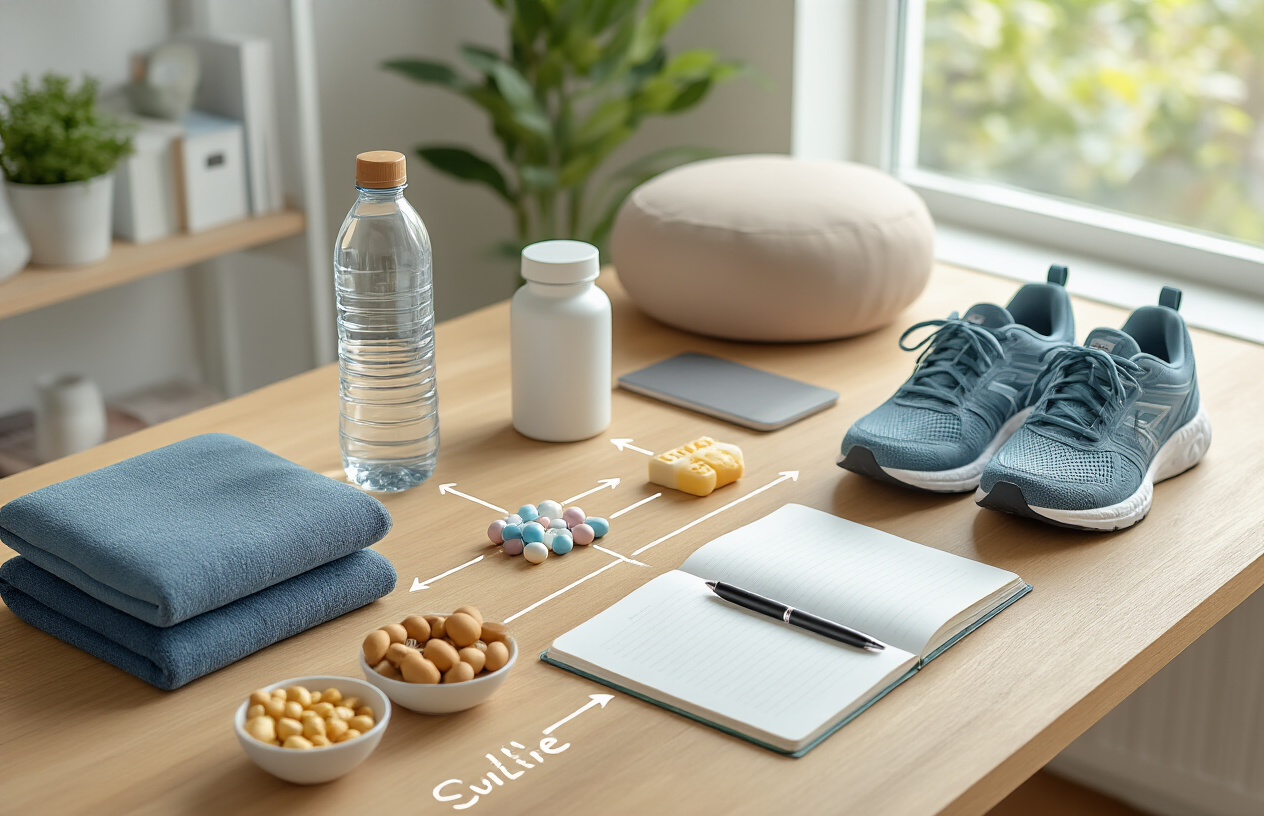
The secret to making wellness habits stick lies in attaching them to routines you already do without thinking. Your brain has autopilot sequences built in—brushing your teeth, making coffee, checking your phone—and these become perfect anchors for new behaviors.
Pick a solid existing habit and immediately follow it with your new wellness practice. After you brush your teeth in the morning, do two minutes of stretching. Right after you pour your coffee, take five deep breaths. The key is specificity: "after I do X, I will do Y" works better than vague intentions like "I'll exercise more."
Your existing routines act as natural triggers, removing the mental energy needed to remember your new habit. Start by mapping out your current daily flow and identify the most consistent moments. These stable touchpoints become your foundation for building lasting change.
Designing Morning and Evening Ritual Sequences
Morning and evening bookends create powerful momentum for your entire day. Your morning sequence sets the tone, while your evening ritual helps you wind down and prepare for tomorrow's success.
Design your morning stack around energy-building activities that take 10-15 minutes total. This might look like: wake up → drink water → 3-minute meditation → write one gratitude note → eat breakfast. Keep it simple enough that even on rushed days, you can complete a shortened version.
Evening rituals focus on recovery and preparation. Consider this sequence: finish dinner → 10-minute walk → prepare tomorrow's clothes → 5 minutes of reading → lights out. The goal is creating a transition from day mode to rest mode.
Effective Morning Stack Elements:
Hydration (easiest win)
Movement (even 2 minutes counts)
Mindfulness practice
Nutrition preparation
Positive input (reading, podcasts)
Evening Stack Components:
Digital sunset (screens off)
Gentle movement or stretching
Preparation for tomorrow
Relaxation practice
Consistent sleep timing
Using Visual Cues and Reminders Strategically
Your environment shapes your behavior more than willpower ever will. Strategic placement of visual cues makes good choices easier and bad choices harder.
Place your workout clothes next to your bed so they're the first thing you see. Keep a water bottle on your nightstand. Put healthy snacks at eye level in your fridge while hiding less nutritious options in drawers. These environmental tweaks work because they reduce friction for positive behaviors.
Phone reminders work best when they're specific and actionable. Instead of "Exercise today," try "Put on workout shoes now." The more concrete the cue, the more likely you'll act on it.
Create visual progress markers that you'll see regularly. A simple habit tracker on your bathroom mirror or a jar where you add a marble for each completed habit keeps your goals visible without being overwhelming.
Building Backup Plans for Disrupted Schedules
Life happens, and rigid systems break under real-world pressure. Smart habit builders create multiple pathways to success rather than relying on perfect conditions.
Develop "minimum viable habits"—scaled-down versions you can do anywhere, anytime. If your usual 30-minute workout isn't possible, have a 10-minute bodyweight routine ready. When your meditation app isn't available, practice three mindful breaths instead.
Create if-then scenarios for common disruptions. If you're traveling, you'll pack resistance bands. If you're sick, you'll focus on hydration and rest instead of pushing through workouts. If you're overwhelmed, you'll choose one habit instead of abandoning everything.
The 2-day rule prevents total derailment: never allow yourself to skip a habit for more than one day in a row. This builds resilience while maintaining momentum even during challenging periods.
Backup Plan Examples:
Situation Primary Habit Backup Option Traveling 45-min gym session 15-min hotel room workout Sick Regular workout Extra sleep + gentle stretching Time crunch Full morning routine Hydrate + 3 deep breaths No equipment Planned workout Bodyweight exercises
Tracking Progress Without Obsessing Over Perfection
Simple measurement methods that keep you motivated
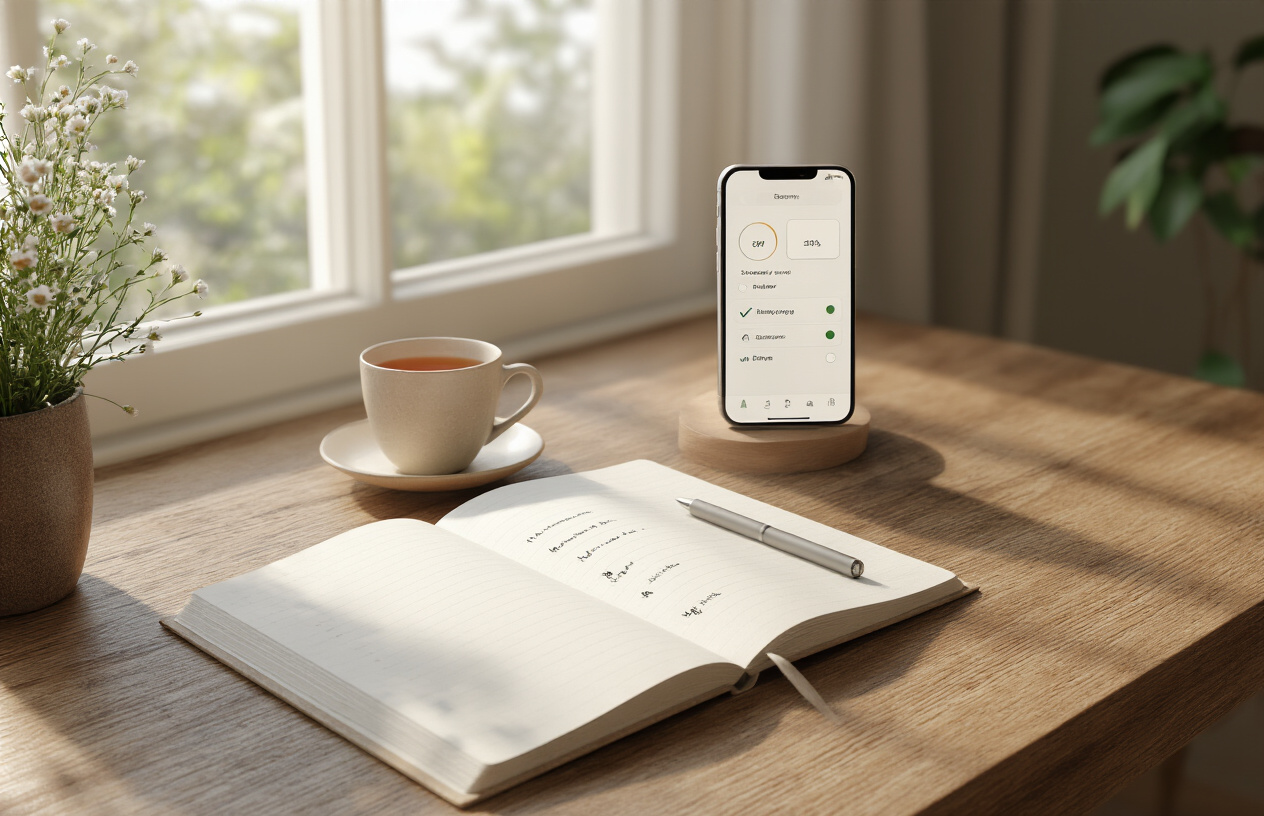
The best tracking systems are the ones you'll actually use. Skip the complicated spreadsheets and detailed logs that require 20 minutes of your day. Instead, choose one simple metric that tells you whether you're staying on track.
For movement habits, count streaks rather than calories burned. Mark an X on your calendar each day you walk for 10 minutes or do five push-ups. The visual chain of X's becomes incredibly motivating, and you'll find yourself walking just to keep the streak alive.
For nutrition habits, focus on frequency over perfection. Track how many days this week you ate a vegetable with lunch or drank water first thing in the morning. A simple tally system works wonders - five tick marks means you nailed it five days out of seven.
Sleep tracking can be as basic as noting your energy level each morning on a scale of 1-5. No need for fancy apps or devices. Your body knows when you're rested, and this simple rating system helps you connect your bedtime choices to how you feel the next day.
The key is picking one thing to track per habit. More than that becomes overwhelming and counterproductive. Your tracking method should take less than 30 seconds and give you immediate feedback on whether you're moving in the right direction.
Celebrating consistency over intensity
Perfect execution isn't the goal - showing up is. A five-minute walk every single day beats an hour-long workout once a week. Your brain forms habits through repetition, not through heroic efforts that leave you exhausted and resentful.
Celebrate the small wins loudly. Did you meditate for two minutes instead of your planned ten? That's a victory worth acknowledging. You chose presence over distraction, and that choice matters more than the duration. These micro-celebrations train your brain to associate your new habit with positive feelings.
Create specific celebration rituals for consistency milestones. After one week of your new habit, treat yourself to something special - maybe that book you've been wanting or a coffee from your favorite shop. At two weeks, call a friend and share your success. These external rewards help cement the habit during its fragile early stages.
The "two-day rule" keeps you consistent without demanding perfection. Never allow yourself to skip your habit two days in a row. Miss Monday's meditation? Tuesday becomes non-negotiable. This simple rule maintains momentum while acknowledging that life happens and perfect streaks are unrealistic.
Remember that consistency builds trust with yourself. Each time you follow through on a small commitment, you prove to yourself that you're someone who keeps promises. This self-trust becomes the foundation for bigger changes down the road.
Learning from setbacks without abandoning your goals
Setbacks aren't failures - they're data points that reveal what isn't working in your current approach. When you skip your morning routine three days in a row, resist the urge to throw in the towel. Instead, play detective and figure out what got in the way.
Common culprits include unrealistic expectations, poor timing, or missing environmental cues. Maybe your 6 AM workout isn't realistic with your current sleep schedule, or perhaps you need to lay out your yoga mat the night before as a visual reminder. Each setback teaches you something valuable about designing habits that fit your actual life.
The restart protocol is your secret weapon for bouncing back quickly. When you notice you've fallen off track, immediately do the smallest possible version of your habit. If you've skipped journaling for a week, write one sentence today. This micro-action breaks the cycle of avoidance and gets you back in the game without overwhelming yourself.
Avoid the "Monday mentality" that makes you wait for the perfect time to restart. If you notice on Thursday that you haven't meditated all week, begin again on Thursday. Your habits don't follow the calendar - they follow your decisions in each moment.
Keep a "lessons learned" note in your phone where you jot down insights from your setbacks. "I skip workouts when I don't pack my gym bag the night before" or "I eat junk food when I'm stressed about work deadlines." These patterns become roadmaps for preventing future obstacles.
Adjusting habits based on what actually works for your lifestyle
Your habits should evolve as you learn what actually fits your life. The morning routine that worked in summer might need tweaking when daylight saving time hits. The meal prep strategy that worked when you were single might need adjustment after you move in with a partner.
Pay attention to your energy patterns and schedule your habits accordingly. If you're a night owl, stop forcing yourself to journal at 6 AM. Move it to 9 PM when your brain is naturally more reflective. Work with your natural rhythms instead of against them.
Location flexibility makes habits more sustainable. Can your reading habit happen on the train during your commute instead of only at home? Can you do bodyweight exercises in your living room when the gym feels too far away? Build multiple pathways to success so external circumstances can't derail you completely.
Seasonal adjustments keep your habits relevant year-round. Your outdoor walking habit might become indoor yoga during winter months. Your fresh salad habit might shift to warm soups when cold weather hits. The core behavior stays the same, but the execution adapts to your changing environment.
Regular habit audits help you stay aligned with your goals. Once a month, ask yourself: Which habits are serving me well? Which ones feel like a struggle? What small tweaks would make this easier? Your habits should feel increasingly natural over time, not more burdensome.
The best habit system is the one you can maintain without constant willpower. If something requires heroic effort every single day, it's not sustainable. Keep adjusting until your habits feel like a natural part of your day rather than an interruption to it.
Maintaining Long-Term Success Through Life Changes

Adapting habits during busy periods and major transitions
Life rarely stays predictable, and your wellness habits need to bend without breaking when things get crazy. The key lies in identifying your non-negotiables versus your nice-to-haves. When work deadlines pile up or you're moving to a new city, maintaining your full 60-minute morning routine might not happen. But you can still hold onto the 10-minute version that includes your most essential elements.
Create multiple versions of your habits for different life circumstances. Your regular workout might be a 45-minute gym session, but your busy-period version could be 15 minutes of bodyweight exercises at home. Your standard meditation practice might be 20 minutes, but during stressful times, even three deep breaths before meetings counts as staying connected to your practice.
Major transitions like new jobs, relationships, or living situations offer opportunities to rebuild habits that better fit your new reality. Instead of forcing old routines into new circumstances, ask yourself what aspects of your wellness are most important right now. Maybe meal prep becomes more crucial when commuting time increases, or maybe evening wind-down rituals need more attention when dealing with relationship changes.
The secret is maintaining the identity of someone who prioritizes wellness, even when the specific actions look different. This mental framework keeps you from the all-or-nothing thinking that destroys long-term progress.
Building a support system that reinforces your wellness goals
Your environment shapes your success more than willpower ever will. Surrounding yourself with people who understand and support your wellness goals creates a natural momentum that carries you through difficult moments. This doesn't mean everyone in your life needs to share identical habits, but having allies who respect your choices makes an enormous difference.
Start by identifying the people already in your corner. Maybe your partner supports your early bedtime by handling evening cleanup, or your coworker joins you for walking meetings instead of sitting in conference rooms. Acknowledge these contributions and communicate how much they mean to you.
Look for opportunities to create mutual support. Join group fitness classes, find accountability partners for specific goals, or simply share your progress with friends who celebrate your wins. Social media can work here too – following accounts that inspire rather than discourage your wellness journey helps create a supportive digital environment.
Professional support matters just as much. Whether that's a therapist, nutritionist, personal trainer, or coach, having expert guidance removes guesswork and provides objective feedback when you're too close to see your own patterns clearly.
Remember that support systems evolve. The running buddy who motivated you five years ago might not fit your current lifestyle, and that's perfectly fine. Regularly assess whether your support network still serves your goals and make adjustments as needed.
Preventing burnout by allowing flexibility in your approach
Perfectionism kills more wellness habits than laziness ever will. The moment you turn healthy practices into rigid rules, you set yourself up for failure and guilt when life inevitably interferes. Building flexibility into your approach from the start prevents the burnout cycle that sends people back to square one.
Think of your wellness habits as experiments rather than commandments. Some days your meditation will be transcendent, other days your mind will race through grocery lists. Some workouts will leave you energized, others will feel like trudging through mud. This variation is normal and doesn't reflect your commitment or worth as a person.
Seasonal adjustments keep your routine fresh and sustainable. Your summer habits might emphasize outdoor activities and fresh produce, while winter calls for cozy indoor practices and warming foods. Instead of fighting these natural rhythms, design your habits to work with them.
Build buffer days into your routine. If your goal is exercising four times per week, don't schedule exactly four sessions. Plan for five or six opportunities, knowing that life will sometimes interfere. This buffer prevents the cascade effect where missing one day becomes missing a whole week.
Practice the "minimum viable habit" concept during tough times. When maintaining your full routine feels impossible, what's the smallest version you can do? Even brushing your teeth counts as self-care when you're dealing with depression. These tiny actions maintain the neural pathways and identity connections that make returning to fuller practices easier when you're ready.

The key to lasting wellness habits comes down to understanding how your brain works and working with it, not against it. Starting tiny - like drinking one extra glass of water or doing five push-ups - gives you wins that build momentum. Stack these small habits onto things you already do automatically, track your progress in a way that feels good rather than stressful, and remember that consistency beats perfection every single time.
Your wellness journey doesn't have to be another failed New Year's resolution. Pick one small habit today and attach it to something you already do religiously. Maybe it's stretching while your coffee brews or taking three deep breaths before checking your phone in the morning. The magic happens when these tiny actions become as automatic as brushing your teeth, creating a foundation that can weather any storm life throws your way.